Project: Get Known! SKETCHBROOKS!
Sketchbrooks has created art in a frenzy to match his lines. Kinetically energizing your online art feeds and creating unique stories and designs, he has an iconic style but even greater is that he is an all around good guy. This why I was motivated to interview him on who he is. What started as an idea for a podcast withered away into the dust of time. We met and chatted, microphones and all but alas, years has passed by since our conversation.
However, with this year’s Heroescon (June 12-14, Charlotte NC) approaching and seeing his consistent work over the years, I wanted to take our conversation back to the written roots. I owe it to Sketchbrooks. I owe it to YOU to get to know this artist. YOU owe it to yourself to check him out and especially at Heroescon! Get to Know: sketchbrooks!
MAN OF STYLE
Mikey P:
Mr. Sketchbrooks - I was immediately smitten with your art and for two reasons; the first being the style.
I think my own drawing is often too tight, very geared towards making things “perfect” and I frustrate myself. When I see your work it's a breath of fresh air that it could be loose that it's stuff I wish I could do.
The other thing was; most artists want to develop their own style. To be able to look at something and be like ‘that's a Sketchbrooks’ is a success and I think you've nailed that.
Was this a conscious decision that you made or is this how you always drew?
Sketchbrooks:
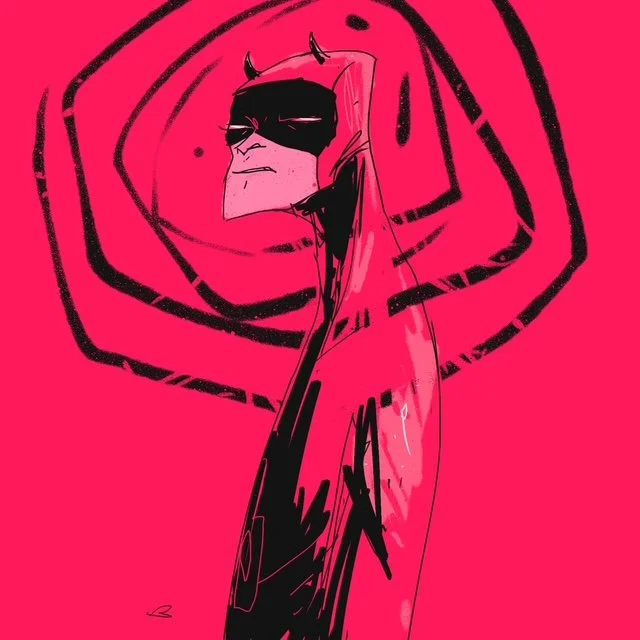
It was not how I always drew and I'm like you, I gripped my pencil so tight to this day you know I'm one of those people with like the large callous on my middle finger from drawing so much. I always want to draw like a cartoon basically. Like I wanted this super animated look. I was always attracted to that kind of thing and artists who were very clean like that so I tried drawing very clean to begin with. That's how I started out but over time I kind of learned that the more I drew, the less I enjoyed trying to make it perfect. It would often look so stiff when I was done with it and a lot of that was because I was re-drawing the same thing over and over again. So I’d start with a sketch that I liked and then the more I got into cleaning that up I would just hate it by the end of it because I was so sick of drawing it.
Mikey P:
That is interesting.
Sketchbrooks:
I started sketching in my sketch book and just having fun with that and staying loose and then I finally got an iPad and this was a big turning point for me because what I could do on an iPad was draw a layer of kind of blue line just a light pencil line and then I could create another layer on top of that and just draw right over top of it. But that first drawing does not have to be super tight at all and then my second drawing which is really my finished drawing, doesn't have to be tight at all so I've just kind of learned that I like the flaws in my work or what some people may say flaws I just kind of learned to live with that.
Mikey P:
Yeah it's funny you said animation because it just feels like it's moving the whole time and it feels kinetic. But do you just start with wherever you feel the motion is or do you attack everything the same way or does it depends on the character?
Sketchbrooks:
Yeah I kind of. I do some quick sketches to get kind of what I consider a dynamic pose and that's a goal of mind that is to keep that energy with the line and the pose.
I had read this, I think it's called “the Illusion of Life.” Have you read that? It's by some of the Disney creators. The big guys that you think of. Anyways Milt Kahl was one of them and the animators work from you know, he's done some big ones like Sword in the Stone and Robin Hood. He was the lead animator.
I remember reading that he hated when people would clean up his lines. He hated that so much. That's why when you watch something like Sword in the Stone and in Robin Hood the lines are sketchy because they left a lot of his pencil lines in to keep that energy in his drawings.
Mikey P:
Oh I love that.
Sketchbrooks:
So I was like, well you know, I got to do this. I just have to get away from this idea that things have to be perfect mentality and there were some other influences that led to that to me just being okay with losing that perfection/ the strive for perfection.
Mikey P:
I can definitely tell you're having fun with your stuff. It’s infectious.
Sketchbrooks:
That's good. I'm glad. That's what I want.
COLOR CHOICES
Mikey P:
I think your colors too are another choice that compliment those lines you make. They are big bright bold colors. I know you work with I guess somebody else Marcus Crips who seems to match that style too but was that also a decision for you to have these bold statements?
Sketchbrooks:
Yeah when I color my own work, a lot of it is just instinct and I don't know if I had to teach someone you know how to color I could never do it. But one conscious decision I guess is that I don't like this is just my personal preference but I don't do a lot of literal color. Like this guy has to be blue grass has to be green that sort of thing I actually like it when it's just when it's something non-traditional and some of that influence comes from a friend of mine Rico who say he colors a lot of books, but you may know him from Spider-Gwen most famously probably. He always used that type of color in his work just not afraid to push it with color and I think it makes it so much more interesting. As far as Marcus Crips go, we just had done a Dr. Octopus drawing and we had just talked about somehow we we've only met online. We just wanted to do some kind of collaboration together so he took this drawing of mine and it was such a pleasant surprise when I got it back. I mean I have come to be okay with how I color my work I like to color but when I saw Marcus's, he makes a lot of choices I wouldn't make um but for the better. He makes some decisions I would make so it's a good balance you know doing what I in some ways hope he'll do but make it better. So it's just a good it was a great partnership working with him.
THE COMIC BOOK CREATOR
Mikey P:
I was fortunate enough to get a copy of some sequential comic art that you were doing I wondered kind of how you are work with translate into like a comic. Ruby and Rubbish.
So fun and exciting and I love the way the characters came together. I genuinely wanted the second one. I realized that the writing kind of matched how you were drawing too which I think was fascinating. It was also loose and it was just like a fun story and I was wondering if you separate that writing and art mind. I mean to me, it's harder and definitely different hats so I was just wondering what your kind of process is.
Sketchbrooks:
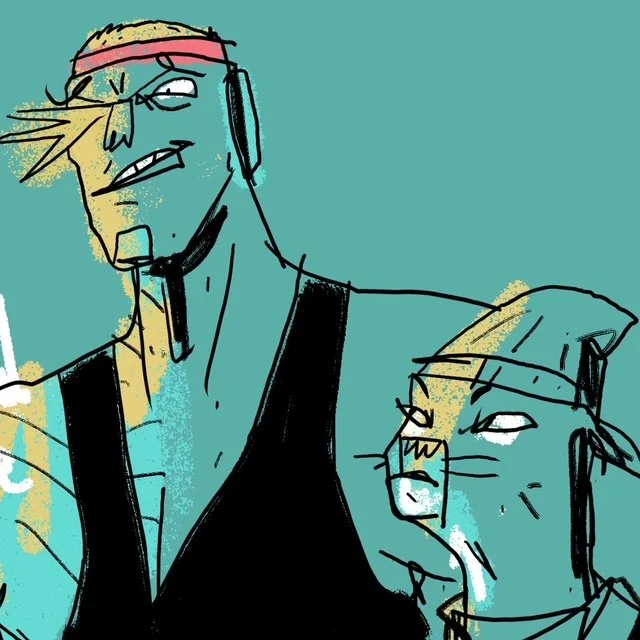
Well, thank you. First of all, my writing process, it’s similar to my drawing process in some ways in that when I have to think on something for quite a while but when I sit down to actually put it into some kind of structure what works for me. I'll take out something like the notes app and I'll do like bullet points for each page so if it's twenty four page as I'll have you know one through twenty four, and I'll do such a rough outline it's like maybe a sentence per page and from there I kind of build on that so it's super loose at first and I just kind of flesh that out a little more and more and I just kind of think about each page and what I want to happen on there and the dialogue itself I will very loosely put in at first. And this sometimes gets me in trouble to the point where sometimes at the very end I'll have drawn this page and I'll “go well this kind of looks more like what this person should be saying” you know, and that kind of helps me not to keep it so structure to where it gets stiff you know like like the drawing. I like that little bit of opportunity to kind of change things up on a whim and so maybe when you talk about. I'm very glad that you think the two work well together my the writing matches mesh as well with the art work.
Mikey P:
It feels like you wrote for yourself like writers always say you want to write for your artist and it felt like you wrote for yourself.
Sketchbrooks:
And a big part of that is just wanting to have fun and having fun and hoping it translates so like you said before I think if you're having fun with it people can tell and that's that's kind of all I know to do I just kind of amuse myself you know. It's all I can do and hope that somebody else appreciates it or understands what's going on.
Mikey P:
I love the world building of your character Ruby, owns like a store of like vintage I guess you say collectables and who Ronald is, is like a Cyborg who also is on the on the hunt for relics, like an old Nintendo Zapper and - I want to read just one of my favorite parts were here he breaks his Zapper and his wife goes “you’re part robot Ronald. You're telling me you can't fix a toy gun?” and he goes
“I am also part human but I cannot fix humans.” Which I thought was so great!
His son gets kidnapped by the crows that were just outside of the store and it's just like one of those page-turners where something different happens every single page. I hope you're working on the second one and not getting caught up with anything else.
Sketchbrooks:
I am getting caught up with other things but I am working on the second. (Editor note: as of this publication, 4 have been completed now!)
But man it's so fun I love. Like I think that's something I'm always going to try to do is that story I've got the next two issues which is like the I think this will be like a three part series this Shiny Objects is what I'm calling this. But gosh, Ronald who I coined Cyberweare which is like a totally 90s nod he kind of looks like Deathlok. I don't know exactly what I kind of had an idea why these crows were carrying him off but I didn't know for sure and it kind of came.
Mikey P:
That's funny it's like the opposite of what they probably teach in writing school. That's a good way to write to me.
Sketchbrooks:
Well, when I first started trying to write for myself, I was reading all these screen play books and there's a book called “Save the Cat” that's like lays out these specific steps to me to kind of give your story structure and what every story needs; what kind of beats it needs you know and it was so for me like that I had a hard time kind of wrapping my head around it. So I tried to break free from that just a little bit and just writing over time I found my own process. That's what the greats do: they learn what was done and what you're supposed to do and then they break those rules.
Yeah, I'm a rule breaker that's what everyone has always said. No one's ever said that.
Mikey P:
You embraced it.
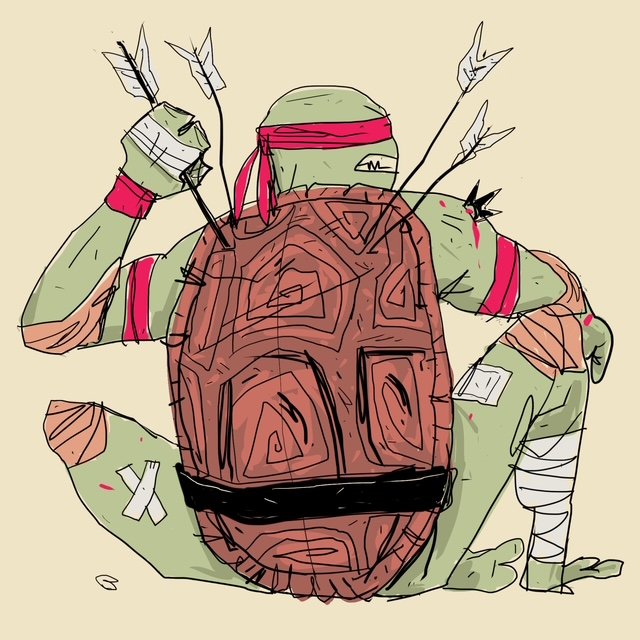
You said that your art changed because you also sent me a Radd Tuffman. That felt like a almost felt like a children's story I was I was thumbing through it and I was realizing it sort not a comic. Then years later I guess you followed up with Howl Play which is another related story but it's really like a teen wolf type of basketball game. The art skills and the writing completely changed and I could see that you didn't just abandon it but you evolved from there.
Sketchbrooks:
Yeah I was just going to say that. You're absolutely right; Howl Play is kind of I could have started out that way I would have Rad Tufman the original is me spending years literal years trying to write this one story and eventually it was supposed to be a comic book more of a traditional comic book and I was having so much trouble finishing a thing.
I remember getting frustrated with myself and just go “dude you've been talking about this book for years that hasn't happened like just do something.” So I was at the time I was reading all these books to my daughter at night and all these picture books and I was like well maybe I can wrap my head around just like one drawing, (one) page, or something. So this story structure came easier to me and this as I was probably having a harder time writing then than I was drawing it was both a struggle because I was still fun in my way a lot more but I was like you just got to finish a thing so that's what came from and it turned into a picture book kind of a picture book because that's what I could wrap my head around at the time.
And then Howl Play, the follow up to that, was kind of something I needed something to sell at Heroescon and I didn't have a ton of time and a deadline works great for me by the way. If I see Heroescon coming up I'm like I have to get something done to sell and that was more of me kind of getting my feet wet a little bit more and easing into that comic space. I think it was only like an eight page comic or I don't know maybe it's ten pages I don't remember but it was short fairly short and I just tried to kind of get that out before hero's gone with the time I had and that was a good way to step in
Mikey P:
So we're also talking on the the wake of a successfully funded kick starter that you are part of. Thought Scape Comics: an anthology, with creator Matt Lowry how did that come to be.
Sketchbrooks:
Matt hit me up! It was let's see three years ago (Editor’s note: like six now). He had already had Thought Scape Comics #1 out and this was kind of a Sci-fi anthology and he's created kind of this great world where it's basically like the government tapping in the people's brains and then releasing stories from their brain. So really Matt has set this up to where he can tell any kind of story he wants because it can make no sense it can be as far fetched as he wants it to be. He shot me two ideas for for for two different story stories that he kind of created and he said let me know if either of these kind of speak to you. So I took a look at it and one of them was about this guy that this chef who was supposed to cook an alien for I don't know like a rich family or you know a group of rich people. I was ready to kind of try just something different with my art work and with my sequential art work and be a little bit more free because Matt had seen the fan art that you saw that I was putting on social media and so I knew that Matt was if he liked tha,t I had a feeling he would be okay.
Mikey P:
That's cool.
Sketchbrooks:
With me just being a little bit more free with my style and taking some chances and stuff and he was thankfully and I thought well this is the perfect story to kind of do that with. So yeah, it was it was a blast and that is such a such an easy going writer to work with you want you kind of want to work with someone who will let you take those those chances and doesn't try to dictate every little thing kind of that kills the fun for me when they're trying to do everything so he was great
LIFE BALANCE
Mikey P:
Man you're doing a lot. You mentioned kids before. What's your routine? Like when do you cram in all this work ….Oh that was a long sigh!
Sketchbrooks:
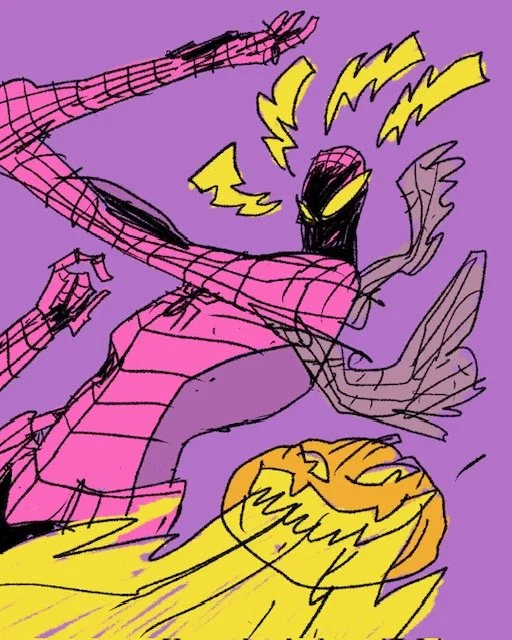
The drawing end is uh, trying to get it …yeah it changes you know it's changed quite a bit. But nowadays it's drawing on the night when my kids are in bed, when my wife and I are sitting on the couch because I work from my iPad now I mean aside from some of the up and lettering and things like that so I can do a lot on the couch. It's just kind of it's not the way I would rather be doing it. I wish I had time during the day but you know I still have a full time job so I kind of just have to make it work when when I can weekend so nights and weekends or really the best opportunity for me. I can't burn the midnight oil like I used to. I can't stay up all hours and it's just, it's a lot rougher on me now so just whenever I and only take on projects where I have some time to work on them.
Mikey P:
Yes, or you can teach them to draw and maybe they can fill in some colors for you when just to speed up some of the deadlines you have there.
Sketchbrooks:
Yeah yeah a little sweat shop.
MAIN GOALS
Mikey P:
What is your main goal? I got a sense that you're really goal oriented. What are you striving for?
Sketchbrooks:
Yeah so I didn't have a good answer for this. A podcast I was on - listening back on that you know, sometimes you say stuff and or you don't say something and then afterward you're like okay well now I know how I answer this and I think you know.
Mikey P:
Right and this is the big question everybody hates to have to answer especially so I'm putting you on the spot.
Sketchbrooks:
Yeah and then it's a hard one. It’s like ‘do you want to provide for your family or do you want make comic books?’ I think with comics whether or not it's a career or not, I want to create memorable characters that people resonate with. Teenage Mutant Ninja Turtles was the big one for me. I was just the perfect age when I was exposed to it. I think a lot of my favorite franchises have come through toys. That and Thundercats, He-man were so big for me.
So I think just creating these worlds and these characters that kind of resonate with people and last and kind of stay in the test of time that's like the biggest aspiration I could have you know. Whether or not it turns out I can make a living off of it because that's tough. But if it finds a following you know that's it's just kind of all I can ask for and you know a lot of it like I said before is just to amuse myself. I don't know what I have I do or why I have stories that I just kind of feel compelled to. There's no other way I can describe that like I couldn't take that away. I don't know what I would do with myself. I just feel like it's something I need to do. It doesn't make a lot of sense a lot of times why I'm doing it because I know people don't get into comics to make a lot of money obviously. Well, some do. Some think they will and that's probably why they get into it but I know better so that's not what keeps me going. But it'd be awesome to have a nice little patreon that I could just you know something like that. Just have something to where I could make a decent living and tell stories that would be great but even without that I just still have to just tell these stories and put these weird characters out there for people to see and hopefully gravitate towards.
Mikey P:
Ruby and Rubbish toys - full circle I hear you loud and clear. That's what you're shooting for.
Sketchbrooks:
Oh man just can you get a 3D printer or something just to start cranking these out?
INSPIRATIONS
Mikey P:
Skottie Young was actually somebody I meant to ask if he was a big influence on your style? Because I kind of feel like that's sort of your realm of a brand if you want to if you want to call it.
Sketchbrooks:
Yeah he did and I first found out about him on a comic through a comic podcast it was called Around Comics when he was living he was living in Chicago at the time and a few of his friends from the area used to get together at a comic shop and talk on this that podcast so kind of found out through that kind of turned on to his style and I was drawn to it immediately because he had that kind of animated feel to it. It looked like it could have come from a cartoon which is what I was kind of striving for at the time and and yeah I did keep that for a while and eventually he changed his style and started inking with a brush and became a lot more loose and I guess it kind of gave me permission or something if I needed it to be so just obsessed over every single line. So yeah he's been a pretty big influence and he's a funny dude too. He was always fun to hear on a podcast so yeah I was I was definitely drawn to his work and he's been a huge influence on me over the years.
Mikey P:
What's that one book that you would recommend - they come over your house they don't know anything about comics and they say Sketchbrooks: give me something i'm gonna love and not not based on my personality give me something that defines you.
Sketchbrooks:
Jeez if it's somebody that once that's like man I want to I want to make comics one day I would say pick up the Tick you know the tick a cartoon for a while - pick up the Tick collection collection because it has you can see him progress as an artist and I know this because you look from the first comic he made to the last one that's in that book and you were just like this dude came so far in like six issues or something it's amazing like the taking a look at the that very first story you can see that progression and so it gives you that hope you know that if you just keep at it um that it's possible you know.
Mikey P:
Awesome.
Sketchbrooks:
So that I would recommend personally just if you want a fun book if you're like a fan of if you grew up m maybe if you're aware of the X-Men or something pick up Umbrella Academy because it's super heroes but it's also kind of say you're a fan of movies too to me it's I've heard people say this before and I kind of echo that I think it's and meets Wes Anderson is kind of my feeling and I think that's why I like that so much but those are two books just right off the top of my head that I would would recommend for someone.
Mikey P:
You talked a little bit about the Turtles and He-Man. What were some of the things that kind of inspired you to create growing up or what's inspiring you today?
Sketchbrooks:
Yeah it started I think it started there. It started there with the first series He-Man and and I remember the the Super Powers toys the DC characters. Both of those came with comic books - the little comics that came with the toys and I just know that's probably my first exposure to super hero comics.
I don't know. I just loved all these characters and even if you didn't have the comics you could kind of make up your own stories of what these dudes were like and a lot of times. I mean if you watched the cartoon - they did not meet the expectation of what you thought these characters would be like, especially if you watch them now it's like oh my god these really are bad like they don't stay in the test of time. But there's so much nostalgia that you think of them differently still. But that was the first thing and then when I started collecting comics, I was inspired by it was right away. Before the whole the dudes formed Image Comics - they were creating for those - that don't know a few guys that were on some of marvel's biggest titles or they turned these titles into marvel's biggest titles and then they were artists and they just decided to go off on their own and kind of start their own company and start creating their own their own characters that they could then profit off of and I guess that was inspiring to me.
Mikey P:
I too find them and image the most inspirational.
Sketchbrooks:
I didn't understand any of the business side of it at that age but I just love these original characters that they were creating was you know Spawn was huge for me I was I was drawn to Todd McFarlane a lot and Jim Lee and his X-Men were just unbelievable. And again that goes back to animation you know that made the cartoon and that just you know suck me in even further in the comics and even I had forgotten about this on my last chat but - you had the Marvel trading cards growing up? That exposed me to so many characters that I hadn't because back then you know you find something on a spinner rack out in the grocery store somewhere and old be like one issue of a comic and had no idea of what was going on before that or you may not get the next issue so those cards were kind of good to just look at like what was out there. I haven't seen so much of it all these characters that I had no idea existed but that was super inspiring for me growing up with seeing all those those cards.
Mikey P:
Yes exactly.
Sketchbrooks:
It’s probably part of what's goes into Ruby and Rubbish with the Ruby and the same need to hang on to nostalgia especially so that's probably a little bit of me in there. Yeah a funny story man - my dad actually when I was a kid and I didn't think about this until after I had already -
Mikey P:
Wow we're psycho analyzing this I love it that isn't makes sense now.
Sketchbrooks:
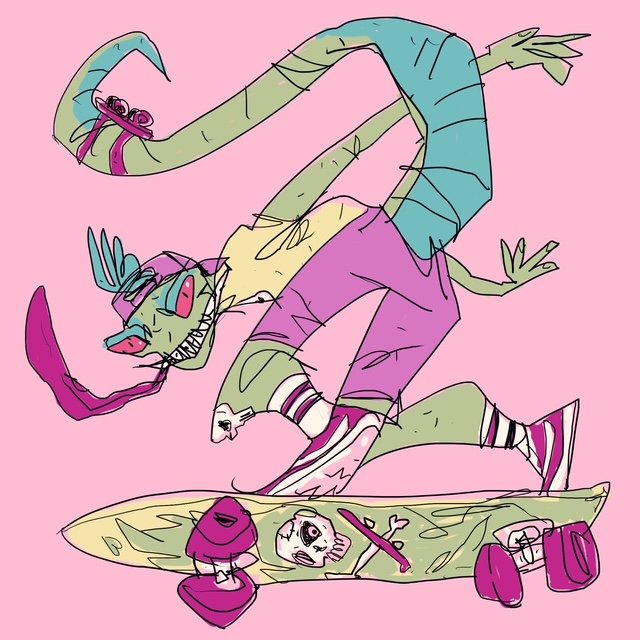
Yeah I remember we lived close to landfills that you can smell but we did live reasonably a few miles away from. I remember my Dad went out there one time, somebody he must have known, someone there that was like someone had gotten rid of something and they contacted my Dad and he went and picked it up from the landfill.
But I remember just walking out into it and I found a stack of MAD Magazines and this was the maybe the first time I've ever seen it. I remember I took a pile of magazines home and kept. My Dad was totally fine with it I mean something I would never let my kid do today you know.
Mikey P:
Ah you’ve got to put that in the comic that's got to make into the next issue!
Sketchbrooks:
I walk out into a land fill but man it was like I guess it stuck with me in some way it was it's buried in my brain somewhere. But yeah anyways, that's just like I said I wasn't consciously thinking about that when I wrote it but in some way that must have dug in.
WRESTLING WITH WRESTLING
Mikey P:
Rad Tuffman he's a wrestler. You grew up with wrestling so was that another nostalgia thing?
Sketchbrooks:
Yes definitely. I mean you know the 80’s -I guess if you trace it back it's Radd Tuffman is kind of what I would do with that cartoon Hogan's Rock and Wrestling but I was big on the in the 80’s I was a big fan of wrestling in whole Hogan era.
And then in the 90’s with the Attitude Era I got into it again because I had my best friend is like to this day still a huge wrestling fan I guess I haven't probably written more Radd Tuffman because I don't keep up with it much anymore and in some ways I don't feel as connected with it.
I also got tired of drawing stuff happening in a wrestling ring. I mean there's crowds in the background and you know just draw on those ropes all the time. But I am a fan.
Mikey P:
I always thought like there was a big connection I think to comics and wrestling in a weird way because I think there's so much storytelling that's done in like a confined short space and in ensembles and you kind of gravitate to certain characters even like from a creative standpoint. Like you mentioned image comics, I feel like recently there's a lot of independent leagues that sprung up to run them themselves and I kind of felt like the image departure but I think there's a lot of similarities to that.
Sketchbrooks:
Yeah the story aspect is huge with wrestling and you have dudes and tights so there's that connection with super comics and they just have these over the top personalities which you know is comics as well so there's a lot of parallels that I love personally. A lot of fan bases. I think when I started, I was looking for a wrestling comic that I would enjoy because the wasn't finding any and but in the last you 10 years there's so many now so when I was first trying starting to write a wrestling comic I sat down and I had this script almost finished and then I swear to you I saw a commercial for the Wrestler the movie the wrestler and I was like this is, it wasn't it wasn't like exactly the wrestler, you know but it was about a guy who basically worked at a grocery store now but he was this big time wrestler at one one point in his life and to me it was just close enough to where I was like well that's I got scrap it now you know I got to change my whole script but that's the joy of comics.
Mikey P:
Darren Aronofsky might have read your comic I don't know man. We'd better check. That's why you mail your comics to yourself put that time stamp on it.
Sketchbrooks:
Somehow he it yeah might a hacked into my computer and read it I think that's what happened.
FUN FACTS
Mikey P:
What what are you doing when you're not drawing?
Sketchbrooks:
I don’t play video games but mostly with my kids. I love - we’re huge into Zelda in this house. Breath of the Wild is just on my daughter today just restarted which is something I don't really have the patience or desire to complete something like that. That's that much of a task. I try not to play get into video games too much because that keeps me from doing the comic stuff if I did it you know after the kids were in bed and stuff it could take over but I also start playing those TMNT games that they like where they re issued all the the what was the Cowabunga Collection on was awesome.
Mikey P:
That impossible first Nintendo game.
Sketchbrooks:
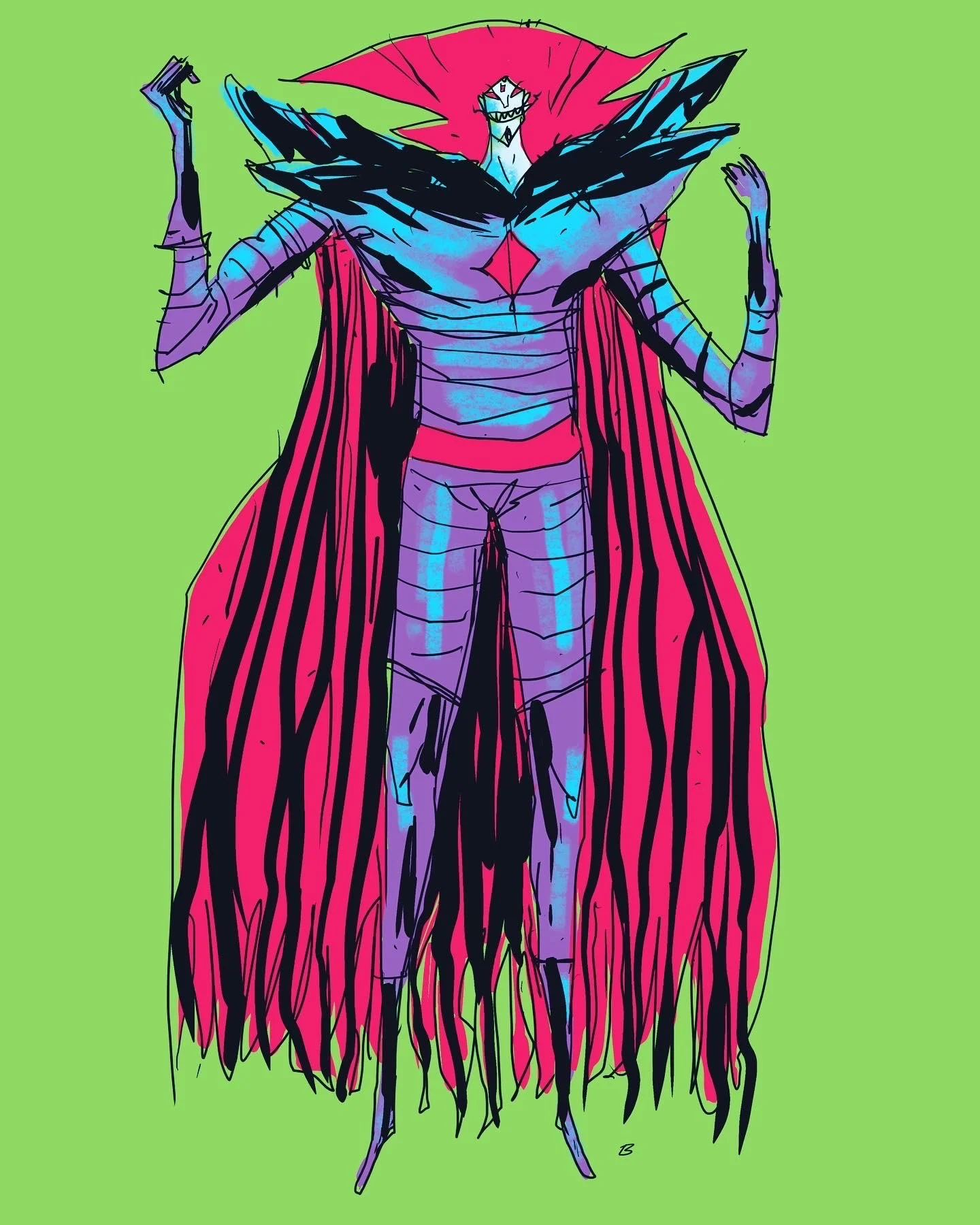
Oh yeah have not revisited that one again
Mikey P:
The arcade game like definitely profound effect on me.
Sketchbrooks:
I spent like all of my birthday money on that kid game one year and I still don't think we beat it. But it was so fun I mean I still remember to this day.
Mikey P:
But I know what you mean about like playing games is like a good detachment but it is like one of those things you almost do you have a guilt to not be doing art.
Sketchbrooks:
Constant guilt - it's like the hardest thing about making comics as you always kind of feel like you should either be working on drawing a comic or you know working on your next comic so it's kind of consuming in that way but we do you know my wife and I have well i'm not haven't been drawing on the couch we've gotten into some some shows on netflix we get to watch something.
Behind on movies but we've been watching some like scandinavian mystery shows that are I find super amusing they're just so good like the story and the pacing and like their characters are great they're like they're flawed but but they're also you know you root for them at the same time just great stuff there's one called Deadwind that's awesome.
Mikey P:
All right big plug for them.
Well, I think I talked to your ear off. Come on again after your next project and we'll do it again. I'm watching your star rise and I'm grateful you spoke to me today and I'm looking forward to what comes next. What is next?
Sketchbrooks:
I would love to tell. I did just wrap up something I don't know when this is going to come out but I did there's a company called Bad Idea Publisher. I just did a short story for them it was like seven pages. The elevator pitch is Beetlejuice meets Spawn.
But if you would like to do that it's on the stands right now my first published work pretty awesome and Bad Idea is great because they kind of they gave me a lot of freedom. I wrote this and drew it Rico colored, it Taylor Espasito a great letter lettered the book I've never had my work lettered before by someone else was awesome.
Mikey P:
Love it!
Sketchbrooks:
I'm also working on - might be a sub stack project so released through email it's another comic called Mystic Melon. It's basically this weird story about a wizard who has a watermelon for a head.
Mikey P:
I've seen some of these designs that you you're working on they're pretty fun.
Sketchbrooks:
Yeah it's wild I think it's going to be fun that script is being edited right now but the first script is done for the most part unless something radically changes which I don't think it will i'll be starting probably in march drawing that I'll probably build up a little bit of a buffer of pages before I start releasing those. But yes but in the next couple of months will start releasing that through email probably email subscribers with the hope of maybe one day kick starting or something crowd funding it somehow so that's the two big things at the moment
Mikey P:
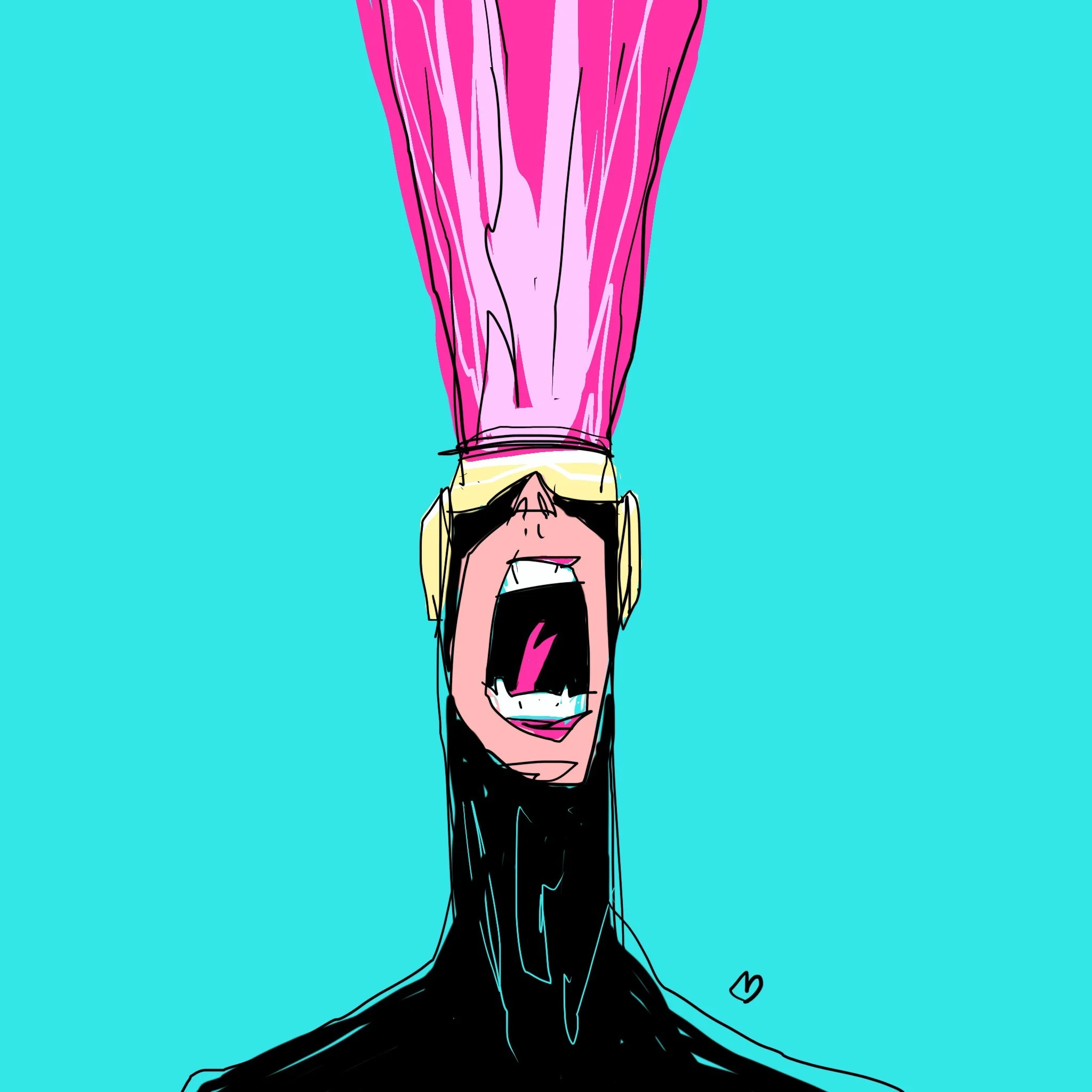
So many projects! Man great talking with you. I'm going to meet up with you at a Heroescon too to buy the next issue in person.
Sketchbrooks:
This is great man thanks.
Website: www.sketchbrooks.com
Instagram: @sketchbrooks
Today, there are many ways on the internet we can explore and discover. We look for collective curated lists and star ratings to quickly obtain information. But the greatest venue for promotion has been and forever will be, friend recommendations. Friends are always the best avenue for promoting works of art or movies or ideas. It really does help when you share art in your circle of friends no matter how small the group. My friend Dale would share images of Sketchbrooks art on his instagram stories and helped me discover someone with a passion for art and comics like me. So please help your fellow artist. Thank you Dale. Thank you dear reader. Keep on creating.
